
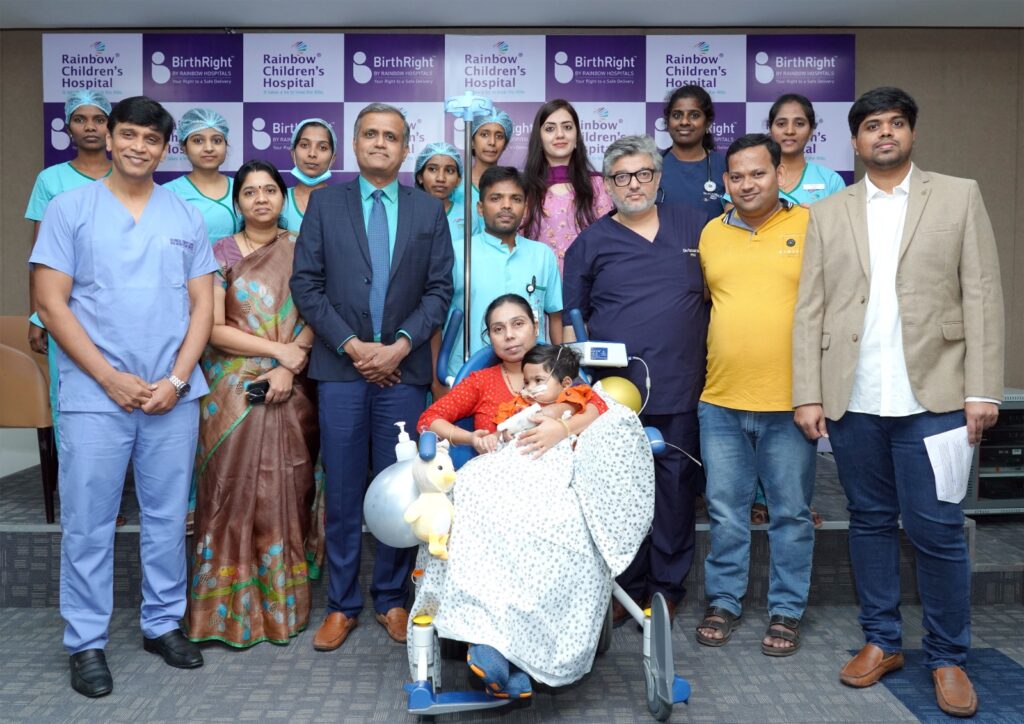
Introduction:
Children are our most precious treasures, and their health is of paramount importance. Pediatric medicine encompasses a wide array of specialties dedicated to addressing the unique healthcare needs of infants, children, and adolescents. These specialized fields not only focus on the physical well-being of young patients but also consider their emotional and developmental aspects. In this article, we will delve into some key pediatric specialties that play a crucial role in safeguarding the health and future of our children.
- Pediatric Cardiology:
The heart is the lifeline of every individual, and its health is particularly vital in the early stages of life. Pediatric cardiologists specialize in diagnosing and treating heart conditions in children, including congenital heart defects, arrhythmias, and acquired heart diseases. From performing non-invasive tests like echocardiograms to intricate surgical interventions, these specialists ensure that children with heart issues receive comprehensive and compassionate care.
- Pediatric Neurology:
The delicate nature of the developing nervous system requires specialized attention. Pediatric neurologists focus on disorders affecting the brain, spinal cord, and nerves in children. Conditions like epilepsy, neurogenetic disorders, and developmental delays fall under their purview. Early detection and intervention are crucial in this field to promote optimal neurological development in children.
- Pediatric Oncology:
Cancer is a formidable adversary at any age, but when it strikes children, the impact is particularly profound. Pediatric oncologists specialize in the diagnosis and treatment of childhood cancers, which may include leukemia, brain tumors, and lymphomas. These specialists work collaboratively with other healthcare professionals to develop personalized treatment plans that prioritize not only the eradication of cancer but also the overall well-being of the child.
- Pediatric Pulmonology:
Respiratory health is vital for a child’s overall development, and pediatric pulmonologists focus on conditions affecting the lungs and respiratory system. Asthma, cystic fibrosis, and respiratory infections are common concerns addressed by these specialists. They employ a range of diagnostic tools, including pulmonary function tests and imaging studies, to assess and manage respiratory issues in children.
- Pediatric Gastroenterology:
Digestive health is fundamental to a child’s growth and development. Pediatric gastroenterologists specialize in the diagnosis and treatment of gastrointestinal disorders in children, such as inflammatory bowel disease, celiac disease, and liver disorders. Nutrition plays a pivotal role in pediatric gastroenterology, and these specialists often collaborate with dietitians to ensure that children receive appropriate dietary interventions.
- Pediatric Orthopedics:
Children’s bones and musculoskeletal systems are unique in their growth and development. Pediatric orthopedic surgeons address conditions related to bones, joints, and muscles in children. This includes congenital anomalies, fractures, and musculoskeletal deformities. Timely intervention by these specialists can significantly impact a child’s ability to move, play, and thrive.
- Pediatric Rheumatology:
Autoimmune and inflammatory disorders can affect children just as they do adults. Pediatric rheumatologists specialize in the diagnosis and treatment of conditions like juvenile idiopathic arthritis and lupus. These specialists work closely with other healthcare professionals to manage symptoms and improve the quality of life for children with rheumatologic disorders.
- Pediatric Allergy and Immunology:
Children are often susceptible to allergies and immune system disorders. Pediatric allergists and immunologists focus on identifying and managing allergic reactions, asthma, and immunodeficiency disorders. Through allergy testing, immunotherapy, and education, these specialists help children lead healthier lives by managing and preventing allergic conditions.
Conclusion:
Pediatric medicine is a multifaceted field that addresses the diverse healthcare needs of children. The dedicated professionals in these pediatric specialties work tirelessly to ensure that every child receives the best possible care tailored to their unique circumstances. By delving into the intricacies of pediatric cardiology, neurology, oncology, pulmonology, gastroenterology, orthopedics, rheumatology, and allergy/immunology, we can appreciate the comprehensive approach taken to nurture the health and well-being of our future generations. As we continue to advance in medical science, the future looks promising for pediatric specialties, promising even better outcomes for the youngest members of our society.